
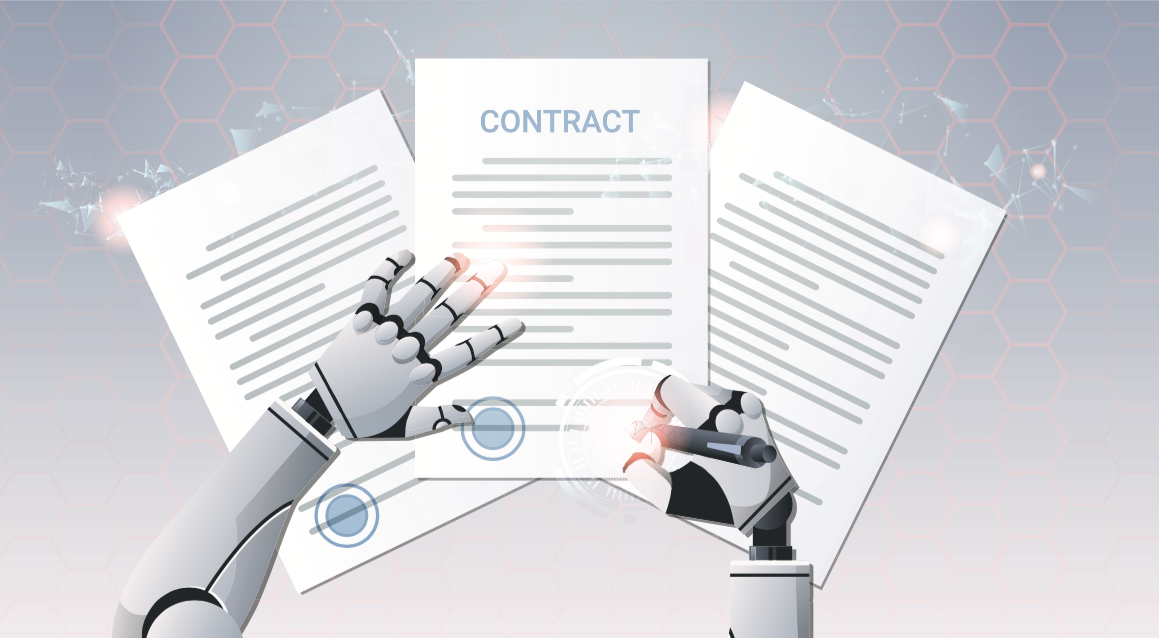
The legal landscape is evolving faster than ever, shaped by client expectations for clarity, speed and measurable value. Contracts are no longer viewed as static documents but as living tools that define and enable business relationships.
The Challenge: Complexity and Efficiency in Contracting
Despite widespread recognition of the need for change, contracting in many organisations remains inefficient. Lawyers often work in silos, reinventing the wheel for each transaction. This fragmentation leads to inconsistency, slow approvals and complex language that frustrates business teams. The result is lost time, reduced trust, and avoidable risk. Working on cross-border agreements over the years, I have seen how small improvements in structure and clarity can make a disproportionate difference. A contract that clearly expresses commercial intent and can be quickly understood by all parties is more valuable than a perfectly drafted but opaque document. The goal should always be to support business, not hinder it.
The Opportunity: Simplifying and Streamlining the Process
Improving how contracts are created and managed begins with a mindset shift – seeing contracting not as a one-off task, but as a structured business function that benefits from consistency and refinement. The tools are already available. Well-designed frameworks and templates bring consistency, automation streamlines repetitive steps, and collaboration tools bridge the gap between legal and business teams. These are not just efficiency gains; they allow legal professionals to focus on what matters most – the judgement, communication and relationship building. In my own practice, I have found that introducing clear workflows and standard templates accelerates delivery and improves quality. Clients appreciate transparency knowing where a contract sits in the process, what remains to be done, and when they can expect completion. When legal work becomes predictable, it also becomes more trusted.
The Role of AI in Modern Contracting
Artificial intelligence is increasingly shaping how contracts are reviewed, analysed and managed, but its true value lies not in replacing lawyers, but in amplifying their capabilities. AI tools, such as ChatGPT, are already transforming routine contract work by enhancing speed and accuracy, reducing the need for lawyers, especially for experienced managers and industry professionals.
For high stakes deals, however, professional legal oversight remains indispensable. AI is best understood as a time saving and research tool: it accelerates data analysis, highlights risks, and identifies inconsistencies, but it cannot exercise judgment or assume responsibility for legal outcomes it is important to recognise AI’s limitations. It may produce incorrect or jurisdictionally inappropriate language, and users often don’t know what they don’t know. AI can have delusions or misapply the law. Attorneys, unlike AI are accountable for malpractice, which underscores the ongoing need for professional oversight. Some industry professionals feel confident negotiating contracts themselves, particularly in familiar sectors like music or creative industries. While such expertise is valuable, it cannot substitute for formal legal training or the nuanced understanding of complex jurisdictional requirements. AI may empower these professionals, but the combination of legal and industry expertise delivers true value. Economically, AI is reshaping the legal profession. Lawyers may need to reconsider pricing structures, focusing on high value or complex agreements rather than the routine contracts. Demand may shift towards litigation-driven work, strategic negotiations and risk advisory areas – where human judgment and experience remain irreplaceable.
The trajectory of AI suggests these tools will only become more capable. Some argue that for low-value agreements, AI or handshake deals may suffice, while others caution that misapplied AI or poorly drafted agreements can lead to costly disputes. The key is pragmatic integration: leveraging AI where it enhances speed, consistency and insight without relinquishing responsibility for legal accuracy.
The Human Element: Collaboration and Continuous improvement.
Technology and processes matter, but culture ultimately determines whether change succeeds. In my experience, the most effective teams foster openness, encourage feedback, and embrace learning as part of daily practice. Versatility and adaptability are essential, as every client, industry, and contract type presents unique challenges. Throughout my work, I treat transparency, professionalism, and appropriate discretion as core values—they guide every interaction, from client relationships to internal collaboration. These principles build trust while ensuring that efficiency and innovation never compromise integrity. Continuous improvement is not a one-off project; it is a mindset. By questioning established habits, adopting better methods, and measuring outcomes, legal teams remain dynamic, engaged, and consistently evolving.
Aligning Legal Experience with Business Value
Ultimately, the lawyer’s role is to turn complexity into clarity. By combining legal expertise with process efficiency, technology and understanding of commercial drivers, we create value that goes far beyond document production.